I’m going to split my days in Porto by activity rather than chronologically since I was back and forth on things in my 9 days here. 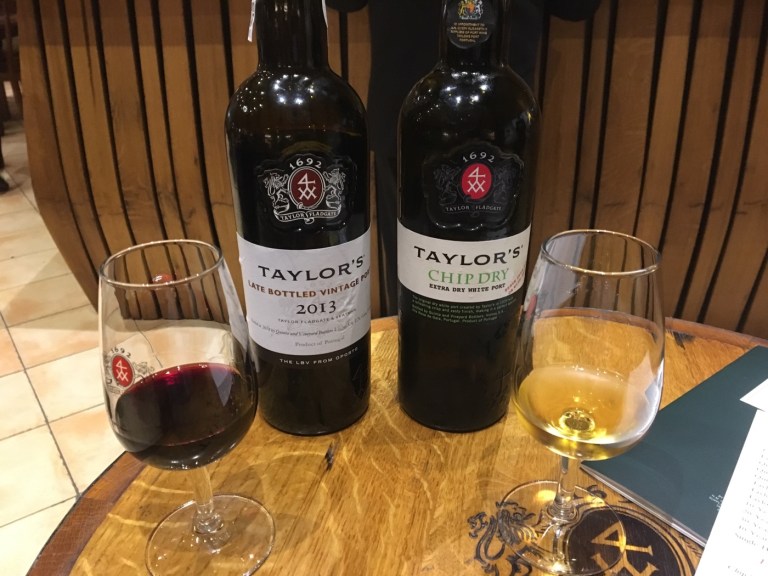 Yes, port is from Porto. Or actually Gaia to be exact. Across the Douro River from Porto, Vila do Novo Gaia has over a dozen port cellars where one can take tours and/or tastings. Of course, since I’ve toured Kentucky bourbon distilleries, Scotch whisky distilleries, Napa wineries, and a Slovenian brewery, it’s only fair that I visit several port wine cellars.
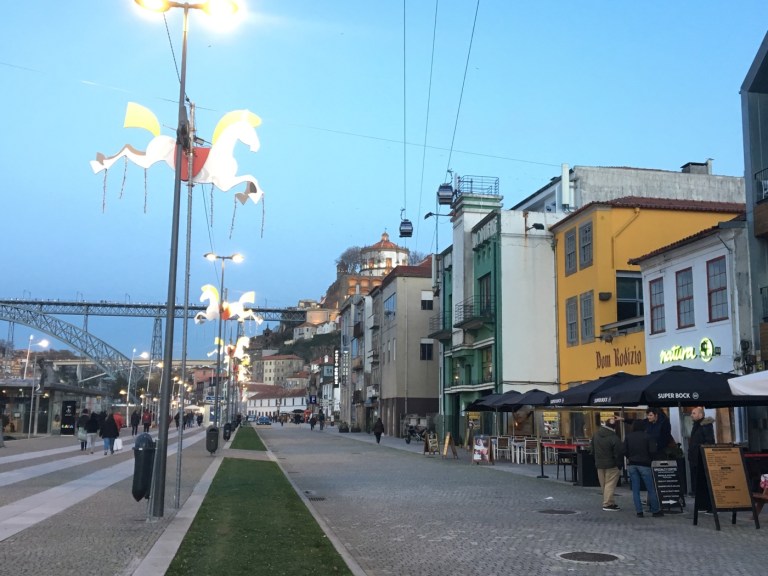
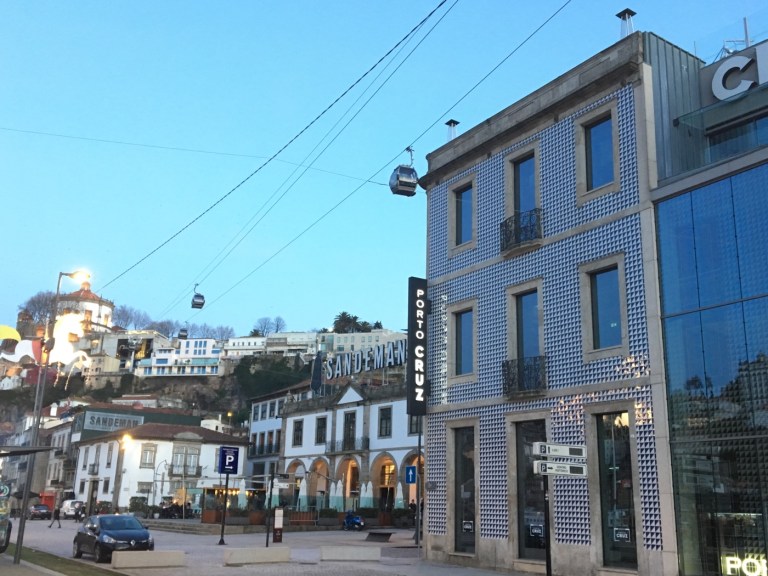 The wine is actually produced in the Douro wine valley, a few hours (100 plus miles) upriver from Porto. I’ve met several people who went on tours there and have now seen several videos and photos of the area. It’s really beautiful — the vines are grown on terraced mountainsides going down to the river. They say much of the harvesting is still done by hand because it’s so hilly, machines can’t be easily used.
Below is a photo I took in Herzegovina because I was fascinated by the terracing. Douro Valley is more mountainous and pretty but this had some similarities (reminds me of rice patties though this and the patties have water and the vineyards don’t). Anyway you can google it — it’s gorgeous. 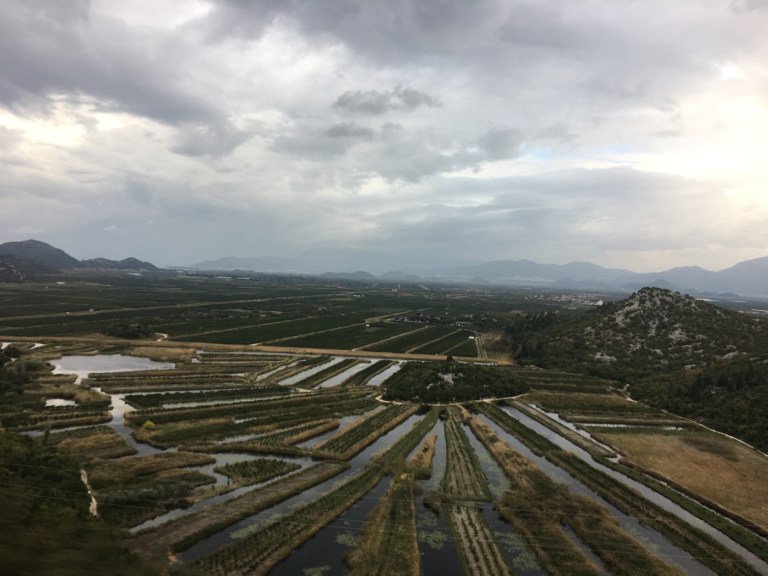 It was the British who got the port industry going (the Romans started growing grapes there thousands of years ago but the port industry is thanks to the British from the 18th century). Their wines were turning to vinegar on the voyages back to England. So they halted fermentation partway through the process by fortifying it with 77% alcohol — keeping the wines fresher and able to survive the long trips. Thus the sugar isn’t fully used up and port tastes so sweet. They are also stronger alcohol (18-20% alcohol instead of 12-14% for table wine).
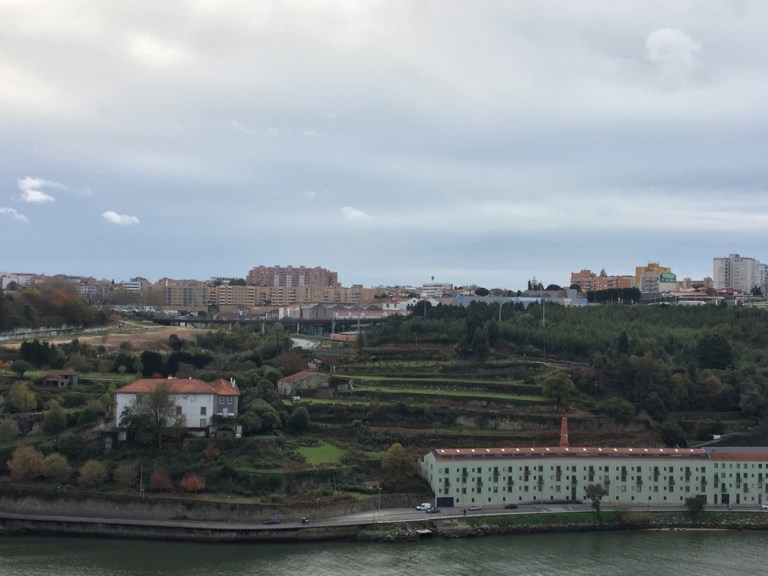
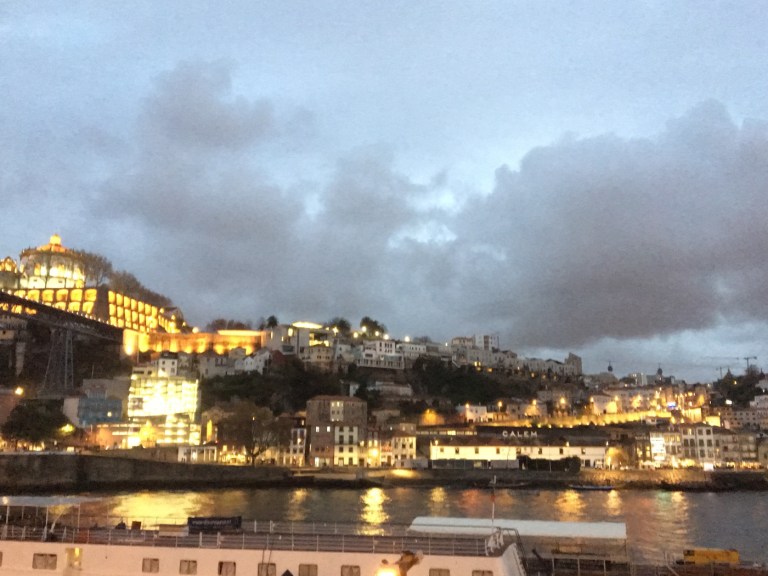
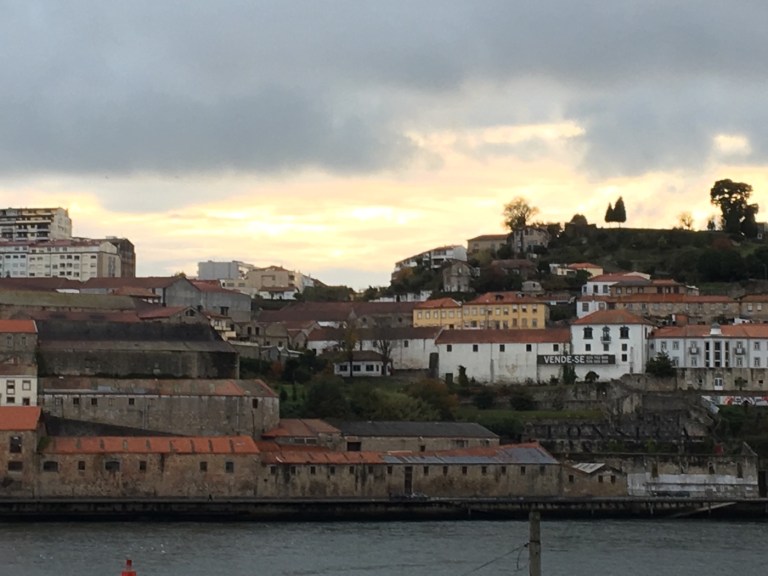 The cellars are in Gaia because Porto used to tax the sellers/cellars but Gaia did not. Plus Gaia gets less sunlight so the cellars stay cooler than they did in Porto. But originally they were shipped from Porto and so were named port not gaia.
  The tours give a lot of information on how they plant, pick, sort, crush (they still do foot stomping which is cool), ferment, fortify, and ship the wines from Douro. They used to use these barcos rabelos to ship the casks downriver which was apparently really dangerous — but now use steel trucks — quicker and less risky.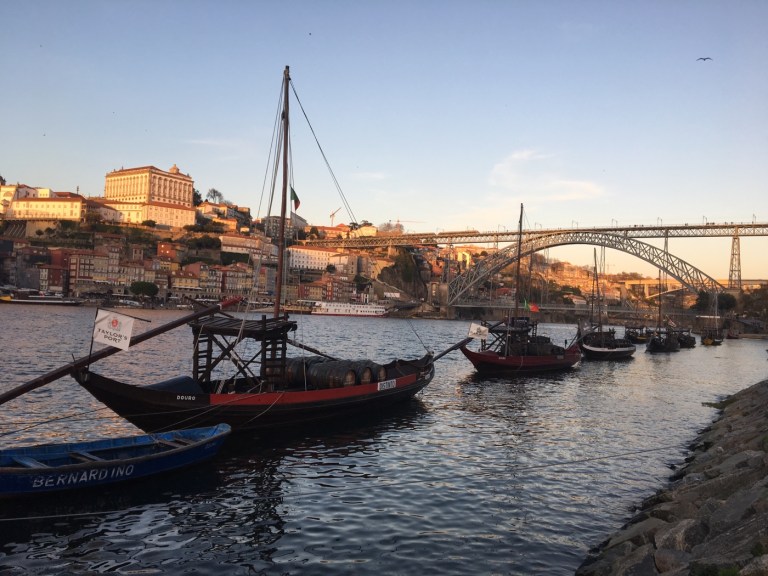
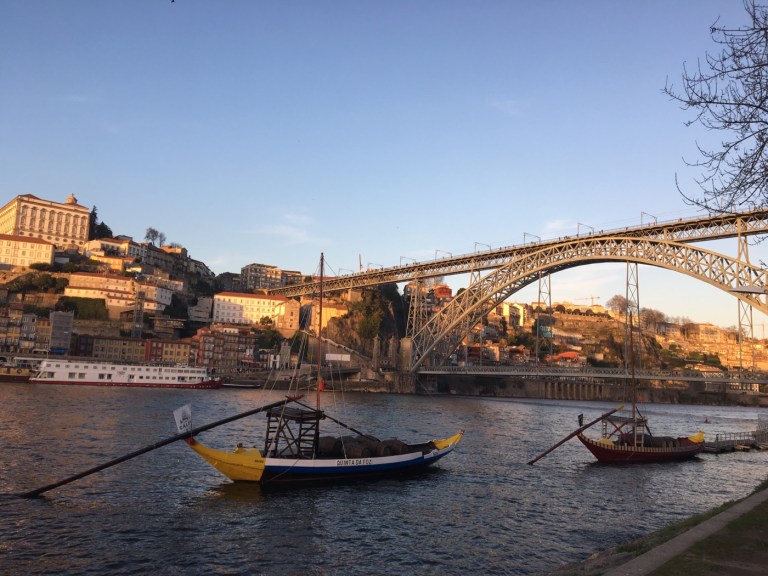 As a nod to tradition, each major house has an old fashioned barcos in the river near their cellar. I liked to see them all lined up.
The cellars here are where they age and store the port (still). They use regular sized barrels for tawny ports and huge vats (holds 50,000 liters!) for ruby ports. And in-between I think for white ports (not sure where they store rose ports despite four tours — it’s a relatively new thing and wasn’t discussed as much).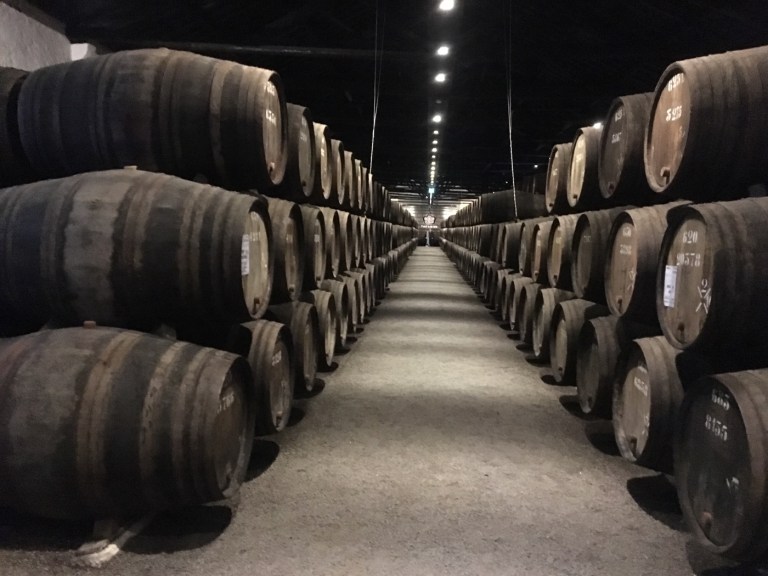
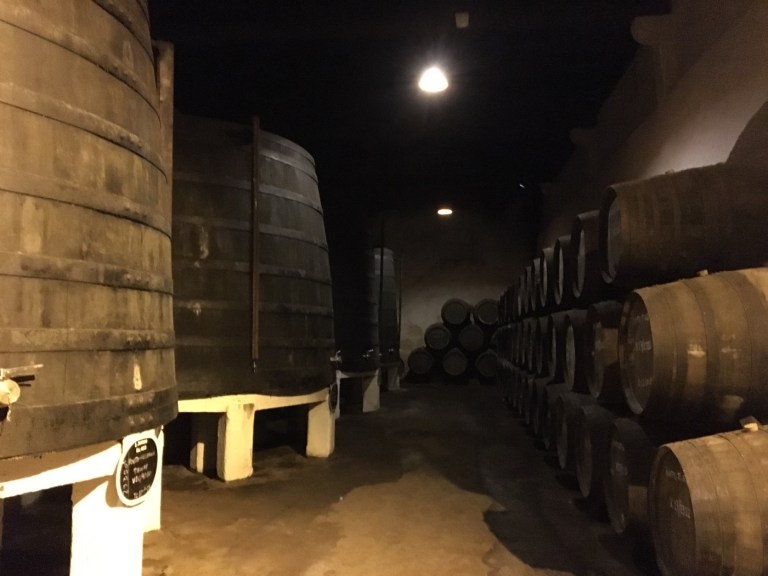
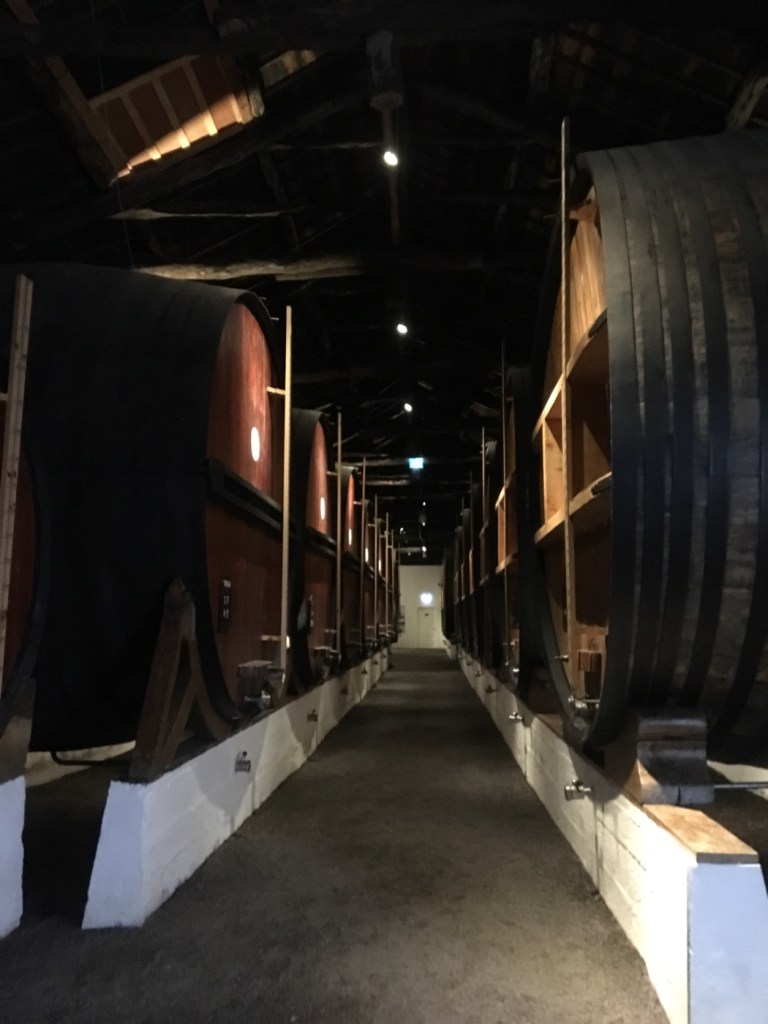 The process is pretty much the same for all — some have started using machinery to crush the grapes instead of foot stomping but a lot of the process is still manual. That said, I wanted to try at least 3 different places and ended up doing 4 tours/tastings on 3 different days.
I tried Ferreira first. It’s the only one continuously owned by a Portuguese company/family. It’s currently owned by a company who owns another 4 (?) port wineries including the well-known Sandeman. 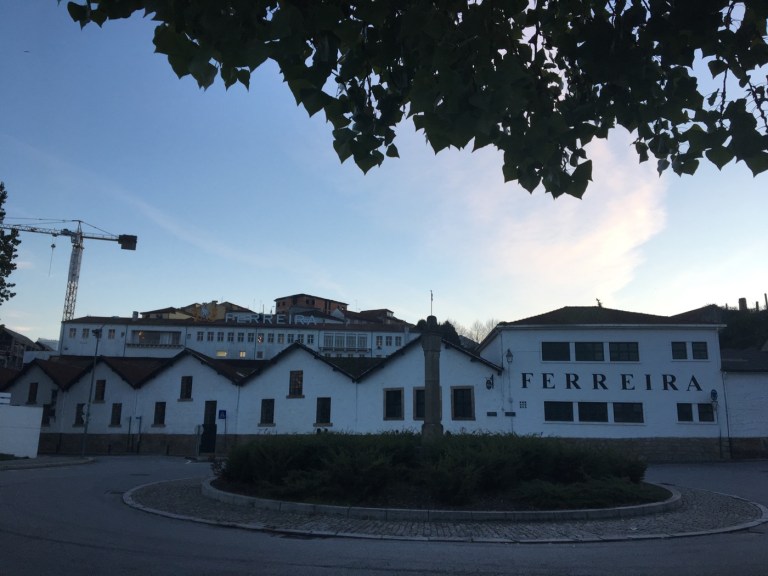
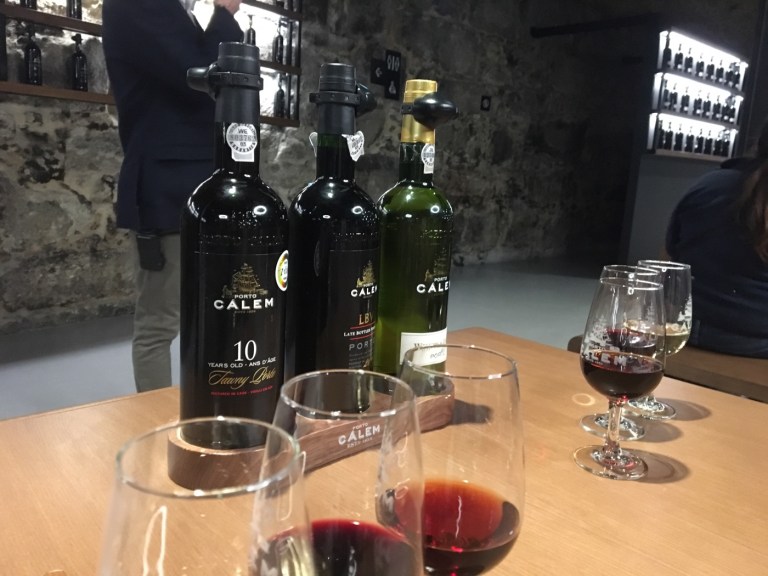
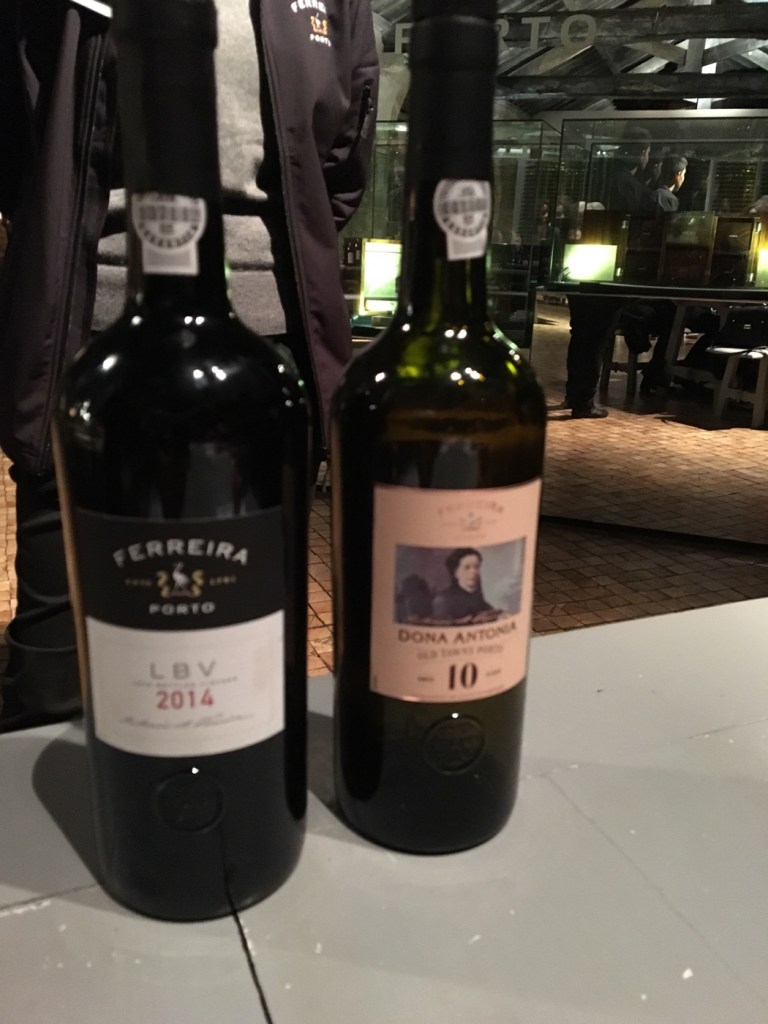 They did a traditional tour with a guide who talked about the process and had a museum of sorts with models of old tools. We tried a dry white (whites are the only ports that have both dry and regular though the dry is still quite sweet). It’s considered good for an aperitif — with olives or cheese. (I didn’t get a photo of their dry white.) Then we tried a 10-year old tawny and an LBV ruby red.
Later I tried Porto Cruz which I think was my favorite tour though perhaps not my favorite ports. They have a free museum /multimedia displays to talk about the process. Plus a rooftop deck and good restaurant (so I’m told). They charge different fees for different tastings including one with cheese pairings (they also have chocolate pairings!). Obviously I chose the cheese. 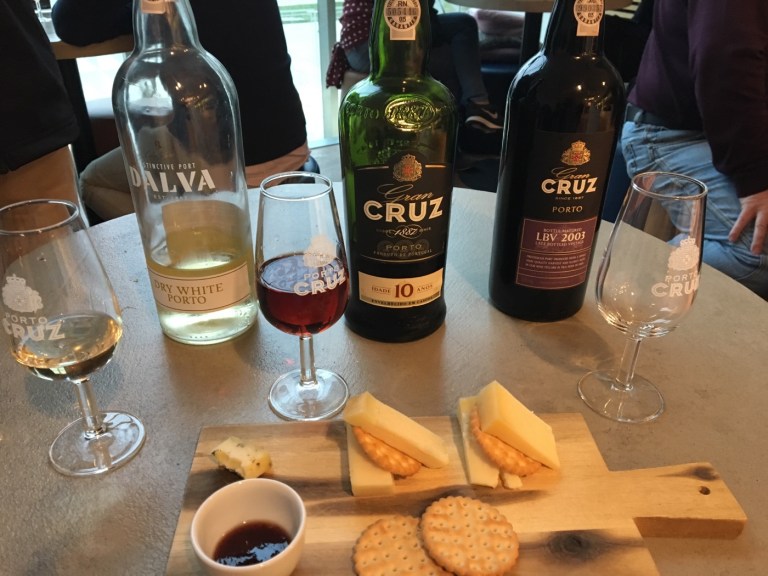 It also included a dry white, 10-year tawny and ruby LBV. It really did taste better with the cheeses. I asked my “host” about the cheeses but he wasn’t knowledgeable about them unfortunately. (You’re given a host to pour and explain each port to you and answer questions. Really individualized which was nice and also the least expensive even including the cheese!) They’re a newer winery and I was told by several sources to include them because they take a more modern approach to their production and marketing.
A word on the LBV — late bottle vintage. It’s a pricier ruby that’s been identified as able to support a vintage year. It’s less fruity than a typical ruby; in all my tastings I only had LBV rubies. They’re about the same price as the 10-year tawnies ($20) but I found them too sweet. I’d rather get a better bottle of red wine. Or a tawny port. 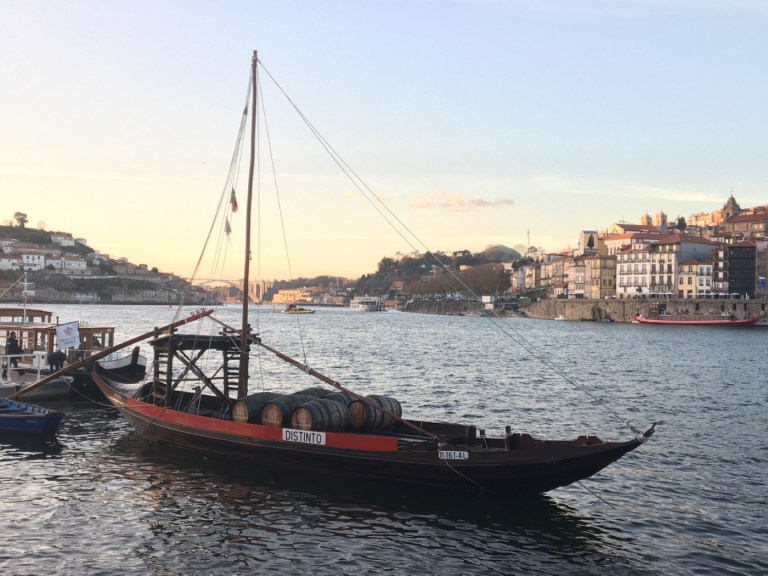
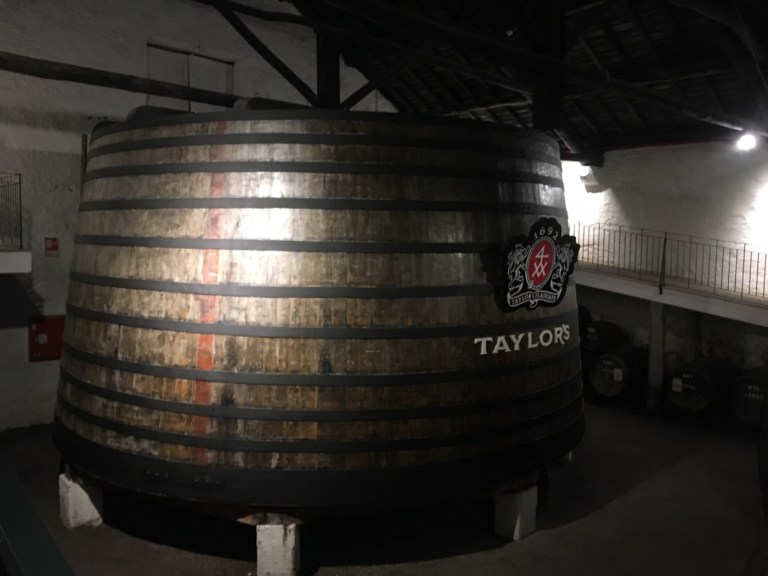 Next I went to Taylor’s, one of the fancier, older, better known and pricier cellars. English of course. It was pouring rain so maybe this influenced me but I liked their tour the least and wasn’t impressed with their ports. It was also the most expensive and only included two tastings (the other places had either two tastings for 12 euros or you could buy a premium tasting of 3 ports of a better type for 15. I always did the premium tasting if offered. Taylor’s charged 15 for two tastings and they left off the tawny port which was consistently my personal favorite).
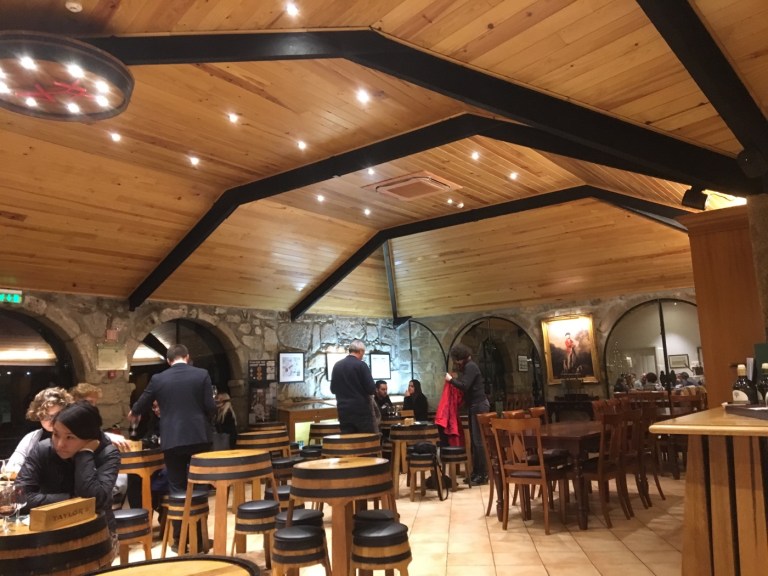 They had a self guided audio tour — actually quite a lot of information including a movie and museum part but it was the day I did two tours so I wasn’t that into it. A lot was their company history. Their tour/cellar also had a very good reputation– it’s up a steep hill but people said it’s worth the climb. I don’t know. They also have a restaurant and terrace to have a drink in nice weather but as I said, it was dark and stormy when I was there. And I absolutely felt the woman serving me my two ports was doing a hard sell for me to buy other tastings or food which no one else did.
So much for the British. I tried one last winery today, Calem. 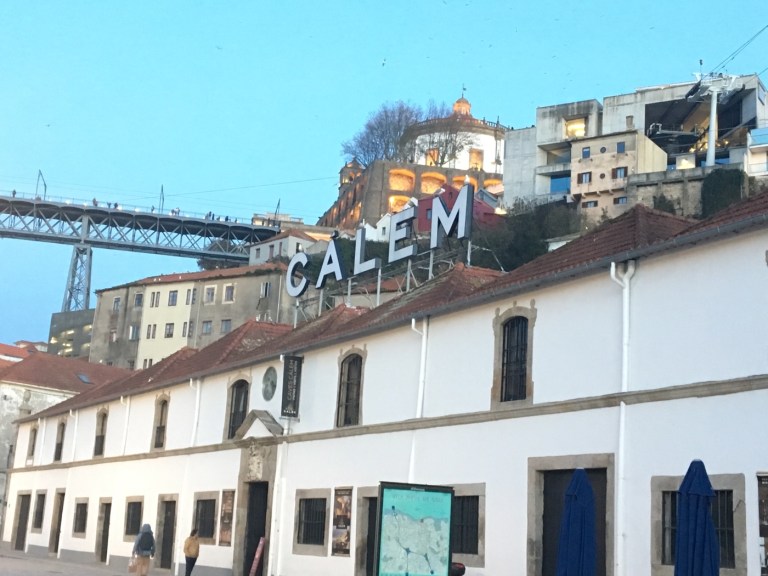 It was another Portuguese company until relatively recently (the 1990s?) when a Spanish company bought it and three other port wineries. Their tour is very popular and interactive. There’s a self-touring museum and then a guide who brings you through the cellars. They also do food pairings and fado with your port if you sign up (and pay) for it!
 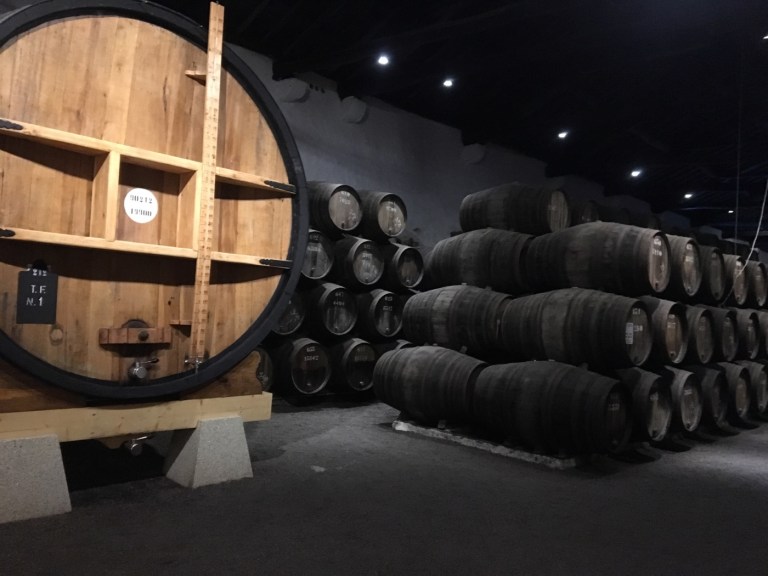 It was a pretty good tour and I liked their ports. As I said, I liked the tawny ports best — they tasted most like what I think of as port. But it could change; the companies here are trying to improve their sales so are creating cocktails to try to find a new audience. I didn’t try any of them but perhaps I will before I go.
Yeesh. That’s the full scoop on ports.
 Cynthia's Trip